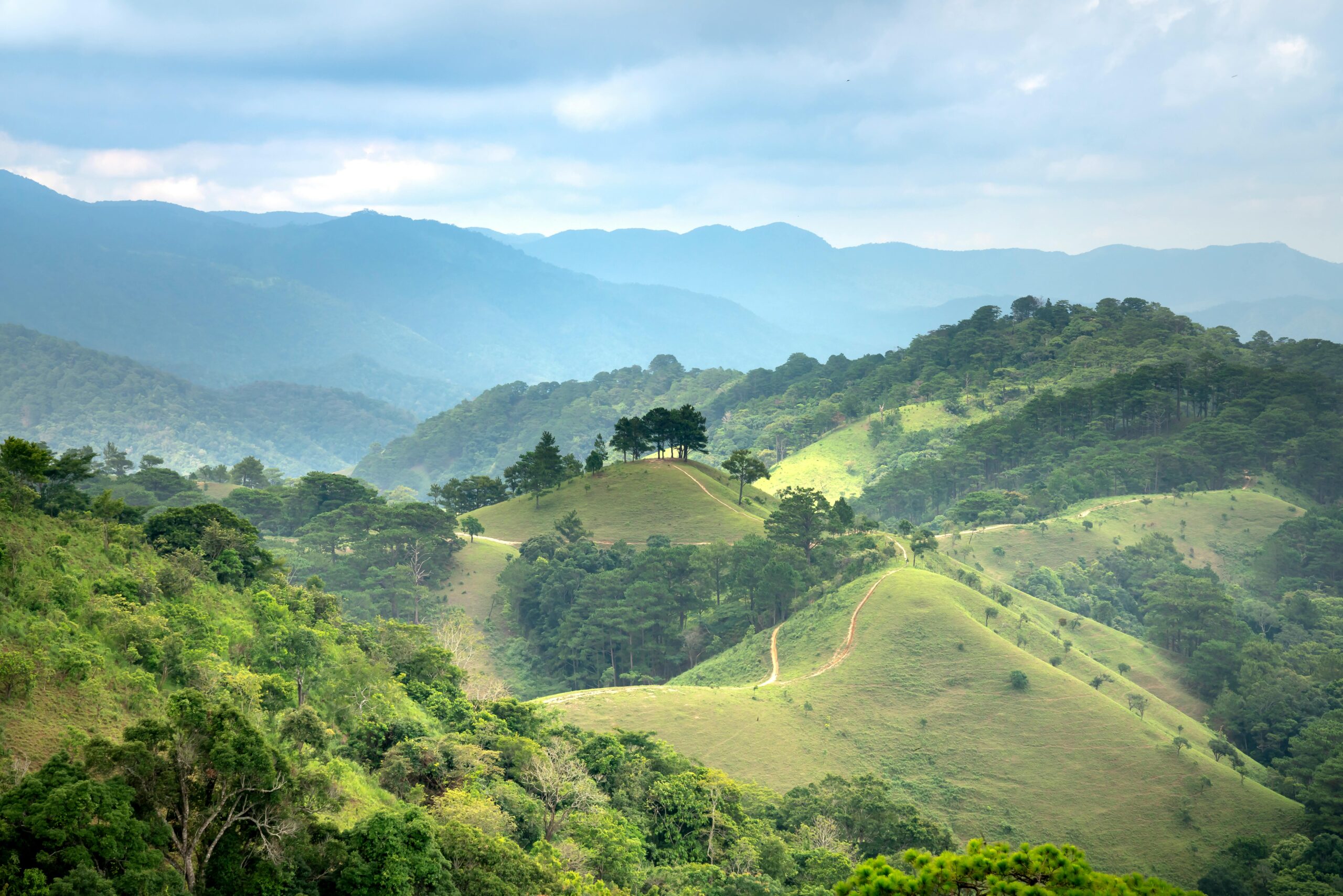
There are trails that challenge your legs.
And there are trails that heal your soul.
Village Trails in Vietnam’s remote countryside do both—quietly, gently, without fanfare.
These are not the places glossy travel ads talk about. You won’t find cafés serving lattes in bamboo mugs, or “authentic” markets staged for tourists. What you will find are real villages, frozen in time, where every path feels like it’s been waiting just for you.
Why Village Trails Heal You Differently
Most nature escapes are about getting away from work. Village Trails are about returning to yourself. The difference?
- Human connection: You meet farmers who still tend rice fields by hand, artisans who weave mats on doorsteps, and elders whose stories feel like living history.
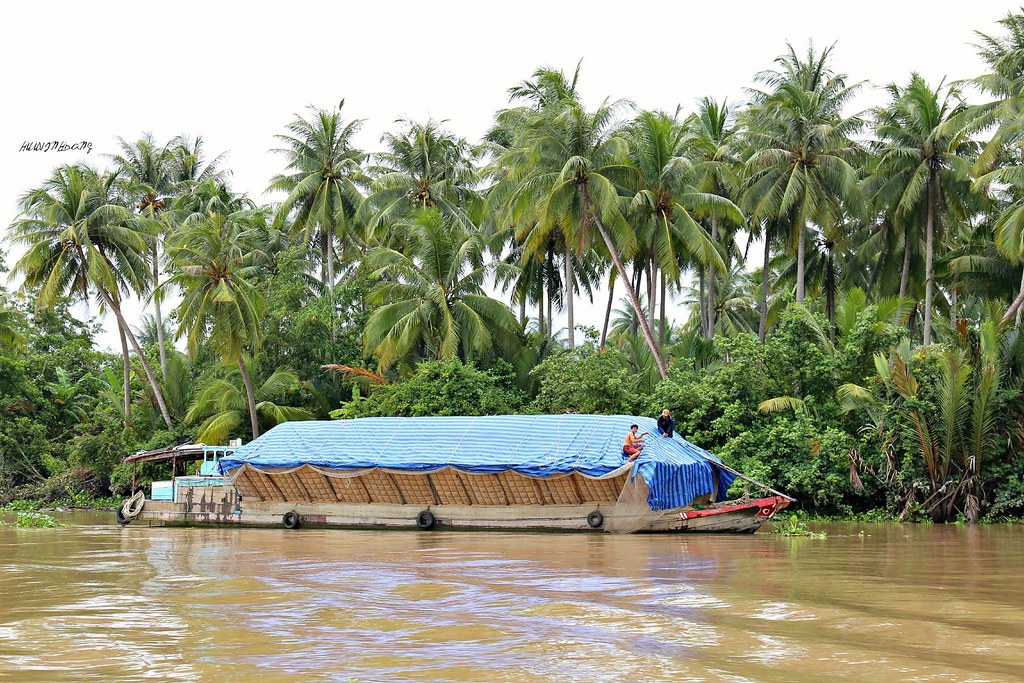
- Sensory reset: The scent of wood smoke at dawn. The crunch of bamboo leaves underfoot. The rhythm of river water against old wooden boats.
- No performance, no pressure: Here, nobody is selling you an “experience.” The experience simply exists, and you’re invited to step into it.
A Trail That Feels Like a Conversation
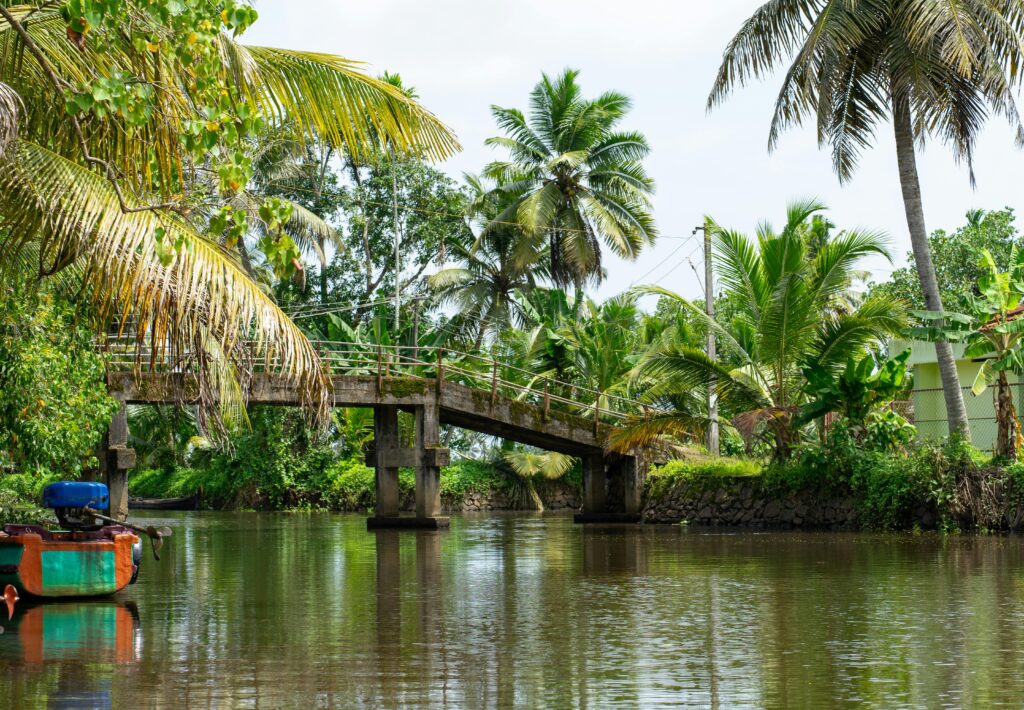
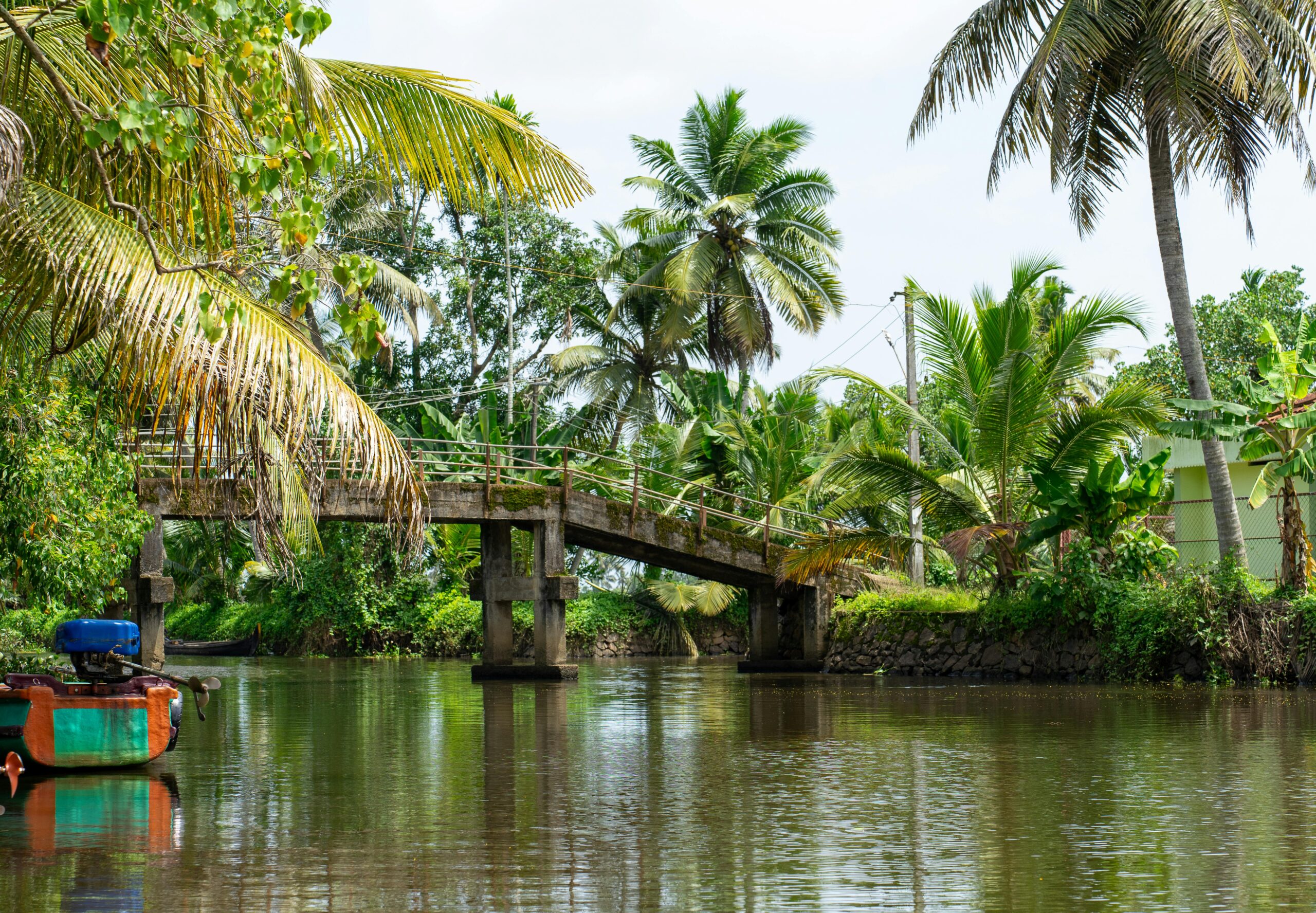
Walking a Village Trail is like joining a slow-moving conversation between earth and people. The footpaths wind through stilt houses, past banana groves, along canals where children paddle to school. Each turn is a small revelation:
- A hammock swaying between coconut trees.
- A makeshift bamboo bridge that tests your balance.
- A woman in a conical hat offering you sweet palm fruit, not because you paid for it, but because you’re here.
Not Just a Trek — A Gentle Recalibration
You return from these trails not with a checklist of sights, but with a softer heartbeat. Village air carries a kind of medicine no spa can bottle: unhurried time, unfiltered landscapes, and the gentle dignity of rural life.
If mountain treks test your endurance, Village Trails test your ability to slow down. And in a world that rewards speed, slowing down is its own quiet rebellion.
Search for Village Trails, find none on the usual tourist maps. That’s the point.
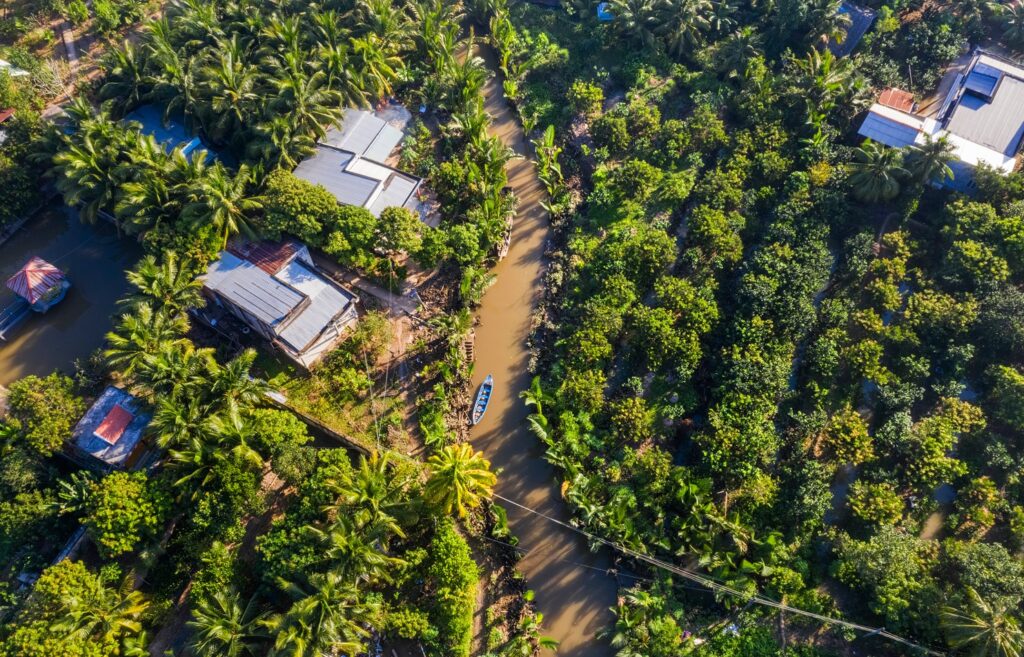
Village Trails Micro-Guide: Mang Thit River, Vietnam
Best Times to Go
- Dry Season (December – April): Cooler temperatures (25–30°C), dry trails, and crystal-clear skies for photography.
- Early Mornings (6–8 AM): Village life is at its most vibrant — fishermen hauling nets, market boats drifting by, and the smell of fresh coconut candy.
- Avoid Midday Heat: Between 11 AM – 2 PM, the sun is intense; use this time to rest in a riverside hammock with iced tea.
How to Prepare
- Footwear: Lightweight trekking sandals or breathable sneakers — trails may be sandy, grassy, or muddy depending on tide.
- Hydration: Bring a reusable water bottle; filtered refill stations are rare here.
- Language Tip: Learn two phrases in Vietnamese — “Xin chào” (hello) and “Cảm ơn” (thank you) — smiles come faster when you use them.
- Gifts for Villagers: Small packs of tea, fruit, or candies show respect and open doors for richer interactions.
- Navigation: Download an offline map (e.g., Maps.me) — cell coverage dips in certain bends along the river.
Hidden Villages to Explore Along Mang Thit River
- My An Hamlet – Famous for handmade clay stoves and sun-dried rice paper; the riverside trail here passes drying yards and shaded bamboo groves.
- Tan Long Village – Known for boatbuilding; watch craftsmen shape wooden hulls using hand tools older than themselves.
- Phuoc Hau Hamlet – Where canals narrow and lotus ponds open wide; this section feels more like a watercolor painting than a real place.
- Mang Thit Brick Village – Rows of centuries-old brick kilns still smoke at dawn; the trail here is tinged with the earthy scent of fired clay.
Pro Tip for a Healing Experience
Don’t plan to “finish” the trail. Let yourself be interrupted — by tea invitations, by slow conversations on doorsteps, by the river’s changing light. The healing isn’t in the walking alone; it’s in letting the village set your pace.